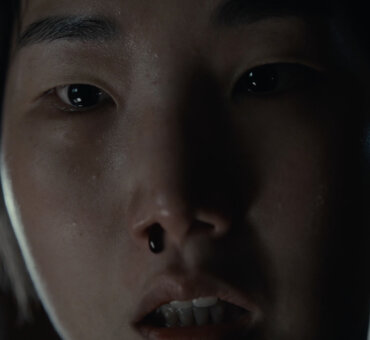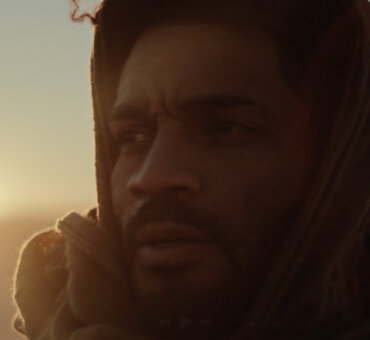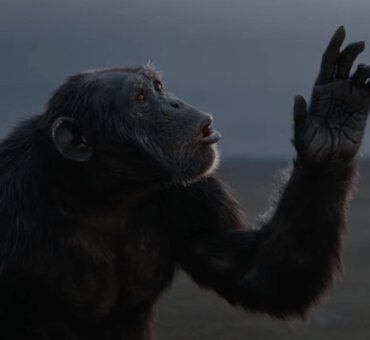
What can you create with a treadmill and an Xbox Kinect in a garage in the Phoenix desert? For directors Mason Charles and Nick Nelson, the answer was “Desert Dreaming,” a surreal campaign for the running apparel company Janji.
For this episode of Behind the Work, we talked with Mason and Nick about how the project came together, the constraints that shaped it, and how an Xbox Kinect ended up in the mix.
How the project got its start
Desert Dreaming started on Instagram. Nick saw a post from in-house producer Kyla Rose Maher and replied. Maher described the brief: “We need to shoot in Arizona, trail running, desert dreaming.”
Those early conversations turned into the project.
Nick brought Mason in early. The two had been hanging out at a coffee shop, scouting for a different project, when Mason agreed to Desert Dreaming.
“We chatted about it, and he had the direction, but it wasn’t super fleshed out, so from that point, we were just sitting there, riffing the whole time, stacking ideas,” Mason says.
RELATED READS: How to Scout: Advice from Cinematographer Todd Martin
Working With a $10,000 Budget
“We have roughly $10,000. What can you guys create?”
That’s what Maher asked Nick. He spitballed ideas with Mason, built a deck, and presented it to the client. The deck included, in Nick’s words, “shots that don’t match up with, historically, where the brand has gone.”
The client’s reaction surprised him: “To my surprise, their whole team was like, you could’ve gone crazier.”
Nick says the smaller budget lowered the pressure. “With not as big a budget, I felt like there was no pressure from the client.” He says bigger budgets and bigger crews tend to make him more insecure. “But when it’s all your friends, and they love you, and they care about you for who you are, there’s not that much pressure.”
RELATED READS: For Creatives, Scarcity Is an Opportunity
Inside the Production
Nick and his team had four weeks for pre-production. They worked from what Mason calls “less of a shot list and more of a scenario list.”
They spent two days scouting a location in Arizona, two days shooting, and 2-3 weeks on post-production. “It was rigid in the sense that we know exactly why we’re here and what we’re doing,” Mason says.
They shot Desert Dreaming in the garage of Nick’s grandparents’ house in Phoenix. “What’s interesting is that I haven’t been in it in years,” Nelson says. “It has all these tools, very manly things that I didn’t connect to.”
Nick’s grandfather died 10 years ago, and he said that working in that space, using tools he never learned to use, felt like something his grandfather would have been proud of.
The setup was simple: a treadmill bought off Facebook Marketplace the day before for about $100, an emptied garage, 12×12 solids, and fabric Nick describes as “like duvetyne but not really” laid on the ground. “There was a lot of scrappiness in that,” he says.
RELATED READS: The Insane, 100-Day Production Behind ESPN’s ‘Draft Academy’
“Jamil was running on a treadmill, while I was holding and smacking an Xbox Kinect over his head, while Nick was blowing him with a leaf blower,” Mason says.
Why an Xbox Kinect?
The idea came from Instagram. Nick saw a viral reel of something like a DJ set and got frustrated that the person who posted it wouldn’t explain how he’d made it. “That was the polar opposite of who I am and what I stand for,” Nick says. So he figured it out himself.
He found an Xbox Kinect on eBay for about $150, bought the cables, and picked up a Windows computer at Costco. “Out of the box, it gave me the look that I needed, and it wasn’t too difficult,” he says.
For Mason, the Kinect also brought back memories. “It reminded me of shooting when I was 11 years old with an iPod Touch, the first generation with the little camera in it, ’cause it’s such an old, crappy piece of technology, but it’s so specific in the intent and purpose of using it.” He says the restriction felt freeing.
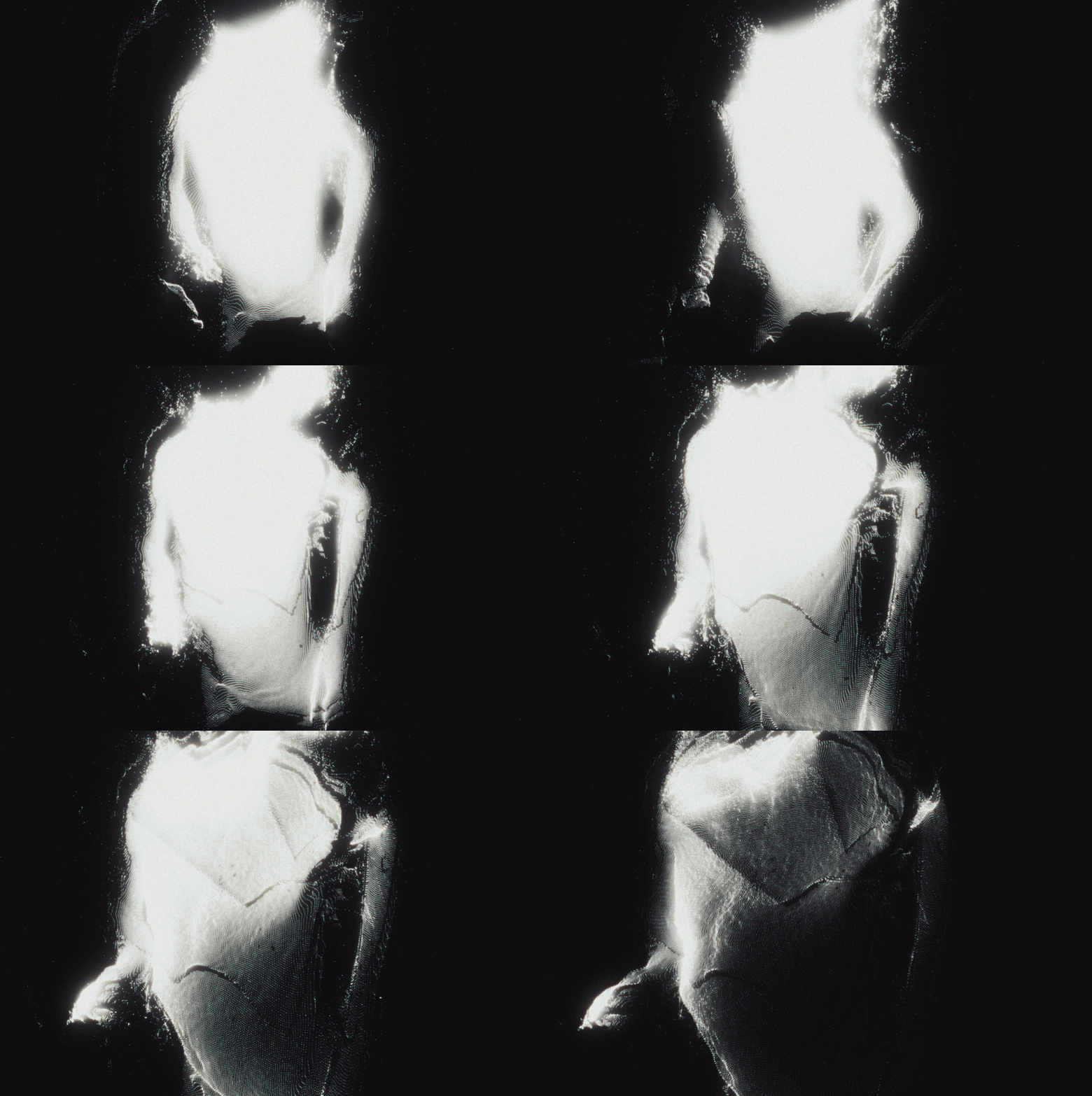
“The Kinect shoots in black-and-white in this weird, inverted look; let’s just do that with the VFX, let’s do that with the color grade,” Mason says. That approach shaped both the VFX and the color grade.
Making Work With the Right People
For Nick, this project was a chance to make something for his inner child. “What you saw is what my brain is daydreaming of most of the day,” he says.
At one point, Nick gave his lights to the drone operator because there was no money left to pay him.
“Everyone we had there was so on board with the vision, and everyone was dialed in to the task that they were doing,” Mason says. “There was a half-second shot where Jamil (the talent for this project) was drowning in a pool, and Nick went in and tarped the pool himself, and dropped the sandbags, all for a half-second shot.”
Mason says the crew is mostly “mid to late 20’s, still trying to get out there and make a name.”
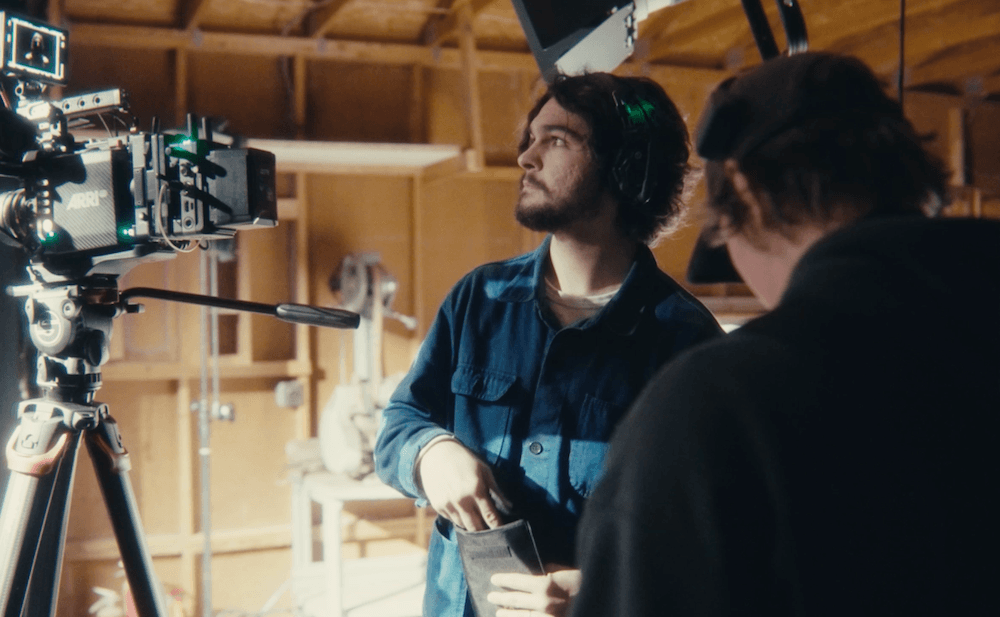
He credits the people he works with: “When you meet the same group of people you get to work with who have that same mentality, you can just feel it in the project. Everyone’s stoked, there’s no weird beef, everyone’s creating out of pure excitement.”
RELATED READS: Choosing the Right People for the Right Projects and Putting Creativity First With Czar Producer Lander Engels
Mason has held onto that mentality since he was a kid. “When I was 12, I just picked up a camera and went crazy with it. I didn’t care about titles, I just wanted to make something out of pure joy.”
Everyone’s chasing the hero shot. Mason and Nick made this one out of an authentic desire to create. That’s the difference.
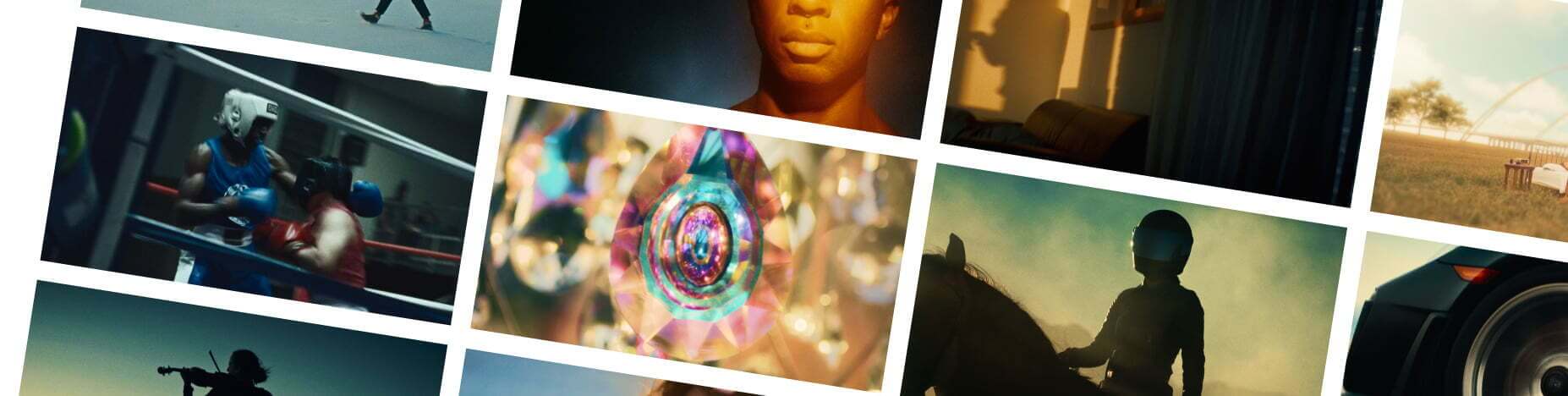
Explore footage from Desert Dreaming, available to license on Filmsupply.
—
About Behind the Work
Behind the Work is an original series from Filmsupply that takes audiences inside the real projects behind our footage, created by in-demand filmmakers on our roster.
Each installment explores the creative decisions, production challenges, and defining moments behind the work, showing how the craft of real filmmakers becomes footage available to license on Filmsupply.